
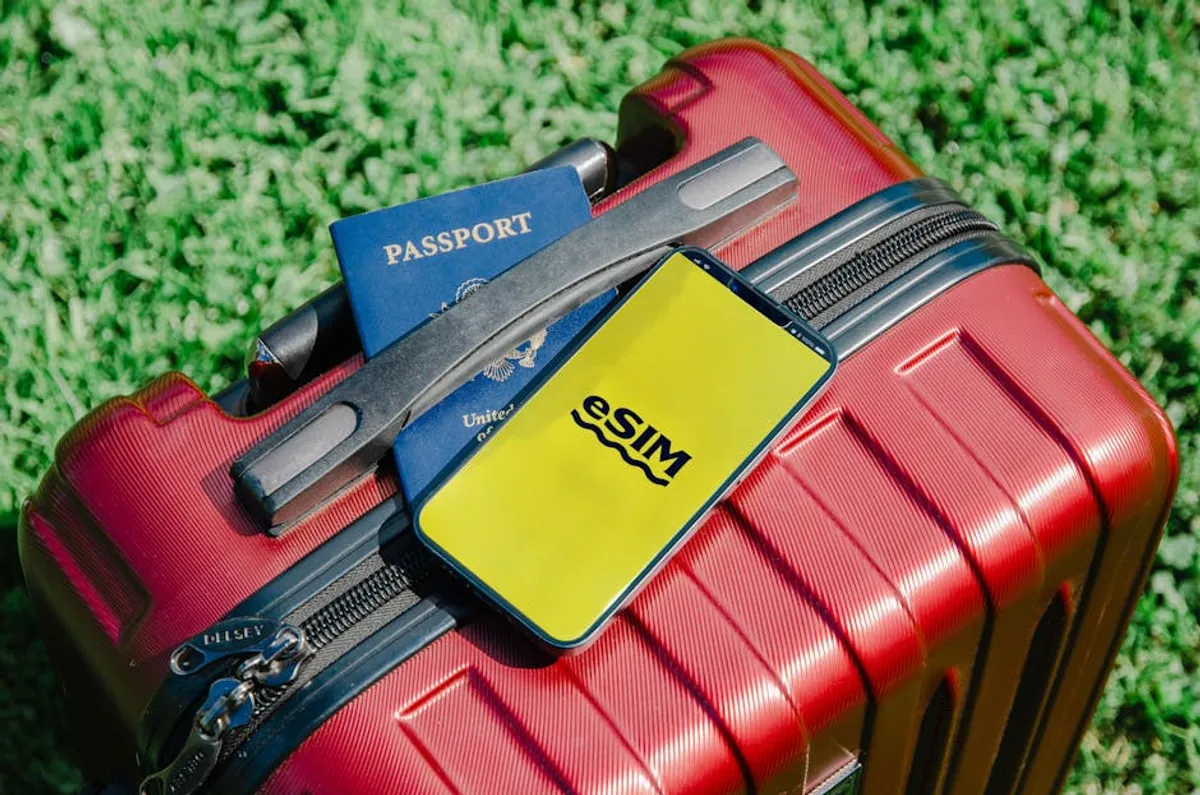
International travel often introduces complexities, and maintaining reliable, affordable mobile connectivity ranks high among them. Historically, this involved searching for local SIM card vendors upon arrival, navigating foreign language barriers, or incurring substantial roaming charges. eSIM technology directly addresses these friction points, fundamentally altering how travelers access mobile networks abroad. It represents a digital evolution of the traditional SIM card, embedding network access directly into a device, thereby streamlining the process of obtaining and managing mobile data and voice services across different countries.
Understanding eSIM Technology
An eSIM, or embedded Subscriber Identity Module, is a small chip built directly into a mobile device, such as a smartphone, tablet, or smartwatch. Unlike a traditional physical SIM card, which must be inserted and removed, an eSIM is reprogrammable. This means users can switch network providers and data plans digitally, without needing to physically exchange cards. The technology functions by allowing devices to download and store multiple network profiles, enabling seamless transitions between carriers and tariffs.
The core distinction lies in its digital nature. Instead of a plastic card, the eSIM operates as a software component, configured remotely by network operators. This architectural shift facilitates greater flexibility and convenience for users, particularly those who frequently travel or require multiple network subscriptions.
Core Benefits for Global Travelers
The practical advantages of eSIM technology for international travel are significant, addressing common pain points associated with traditional connectivity methods.
Eliminating Physical SIM Swaps
One of the most immediate benefits is the removal of the need to purchase, locate, and physically swap SIM cards. This eliminates the risk of losing small physical cards and the inconvenience of finding local vendors, especially upon late-night arrivals or in remote areas. Travelers can activate a new plan before departure or immediately upon landing, bypassing logistical hurdles.
Instant Activation and Provisioning
eSIM profiles can be downloaded and activated remotely, often within minutes. This rapid provisioning means travelers can gain access to local networks almost instantly, without manual setup. This capability is crucial for immediate navigation, communication, and access to essential travel information upon entering a new country.
Managing Multiple Profiles and Numbers
Many eSIM-compatible devices support the storage of multiple eSIM profiles. This allows users to retain their primary home country number for incoming calls and messages while simultaneously using a local or international data plan for internet access. This dual-SIM functionality, often referred to as Dual SIM Dual Standby (DSDS) with eSIM, provides flexibility for managing personal and professional communications without carrying multiple devices.
Cost Efficiency and Flexible Data Plans
eSIM technology facilitates easier access to competitive local and regional data plans. Travelers can compare offerings from various providers digitally and select the most cost-effective option for their specific travel itinerary, avoiding expensive international roaming charges from their home carrier. This flexibility often translates into significant savings on data, calls, and texts.
Enhanced Security Protocols
Because an eSIM is embedded, it cannot be easily removed or stolen like a physical SIM card. This inherent security feature reduces the risk of unauthorized access to a user's mobile identity if their device is lost or stolen. Additionally, the digital provisioning process often includes robust authentication measures, further safeguarding user data.
Optimizing the Travel Experience with eSIMs
Integrating eSIMs into travel planning streamlines several aspects of the journey, from pre-departure arrangements to on-the-ground navigation.
Travelers can research and purchase an eSIM data plan specific to their destination or a multi-country region weeks in advance. The activation QR code or manual details can be saved and scanned once the device lands, ensuring immediate connectivity without the scramble to find Wi-Fi or a local shop. This pre-emptive approach minimizes stress and maximizes productive time upon arrival.
The ability to switch between plans or top up data digitally means travelers are not tied to a single provider or a fixed data allowance. If a plan runs out, or a better deal becomes available in a new country, adjustments can be made directly from the device settings, offering unparalleled adaptability during extended or multi-destination trips.
Pro Tip: Always verify your device's eSIM compatibility before purchasing a plan. While many newer smartphones support eSIM, older models may not. Check your device manufacturer's specifications to ensure seamless integration and avoid connectivity issues during travel.
Selecting the Right eSIM Plan
Choosing an eSIM plan involves evaluating several factors to align with specific travel needs:
- Data Requirements: Assess typical data usage for navigation, social media, email, and streaming. Plans range from small data bundles for light use to unlimited options for heavy consumption.
- Geographic Coverage: Determine if a single-country, regional (e.g., Europe, Asia), or global plan best suits the itinerary. Regional plans often offer better value for multi-country trips within a continent.
- Provider Reputation: Research different eSIM providers for network reliability, customer support, and ease of plan management. Reviews and coverage maps can provide valuable insights.
- Plan Duration and Validity: Match the plan's validity period to the length of the trip to avoid premature expiration or unnecessary extensions.
- Voice and SMS Inclusion: Decide if local calls and texts are necessary, or if data-based communication apps (like WhatsApp) suffice. Some data-only eSIMs may not include traditional voice/SMS services.
Implementing eSIM for Seamless Journeys
To leverage eSIM technology effectively, travelers should consider a few practical steps. First, confirm device compatibility with eSIM functionality. Most flagship smartphones released in recent years support eSIM. Second, research and compare eSIM providers and plans well before the departure date. Many online platforms specialize in international eSIM offerings, allowing for easy comparison of data allowances, validity periods, and pricing across various regions.
Once a plan is chosen, the activation process typically involves scanning a QR code provided by the eSIM vendor or manually entering activation details into the device's cellular settings. It is advisable to perform this activation in a stable Wi-Fi environment before traveling to ensure smooth setup. Upon arrival at the destination, the device can then automatically connect to the local network covered by the activated eSIM profile, providing immediate connectivity without further effort. This systematic approach ensures that the benefits of eSIM technology translate directly into a more convenient and connected travel experience.
Frequently Asked Questions
What devices are compatible with eSIM technology?
eSIM compatibility is primarily found in newer smartphone models, including recent generations of iPhones, Google Pixel phones, and select Samsung Galaxy devices, as well as some tablets and smartwatches. It is essential to check the specific model and region for full compatibility.
Can I keep my existing phone number when using an eSIM for travel?
Yes, many eSIM-compatible devices support Dual SIM Dual Standby (DSDS), allowing you to use your physical SIM for your home number (for calls/texts) and the eSIM for local data services simultaneously. This means you can receive calls and texts to your primary number while using a separate data plan.
Is eSIM more expensive than buying a physical local SIM card?
Not necessarily. While some premium eSIM plans might exist, many providers offer competitive rates that are comparable to, or even more cost-effective than, physical local SIM cards, especially when considering the convenience and ability to compare plans digitally before arrival.
How do I activate an eSIM plan on my device?
Activation typically involves scanning a QR code provided by the eSIM carrier or manually entering an activation code into your device's cellular settings. This process usually takes place within the 'Cellular' or 'Mobile Data' section of your phone's settings menu.



