
The choice between a traditional physical SIM card and an embedded SIM (eSIM) has become a critical decision for mobile users, impacting everything from device flexibility to international travel. While both technologies serve the fundamental purpose of connecting a device to a cellular network, their underlying mechanisms and practical implications differ significantly. Understanding these distinctions is essential for optimizing mobile connectivity, especially for professionals who rely on seamless communication and data access across various locations and devices.
Physical SIM Card: The Established Standard
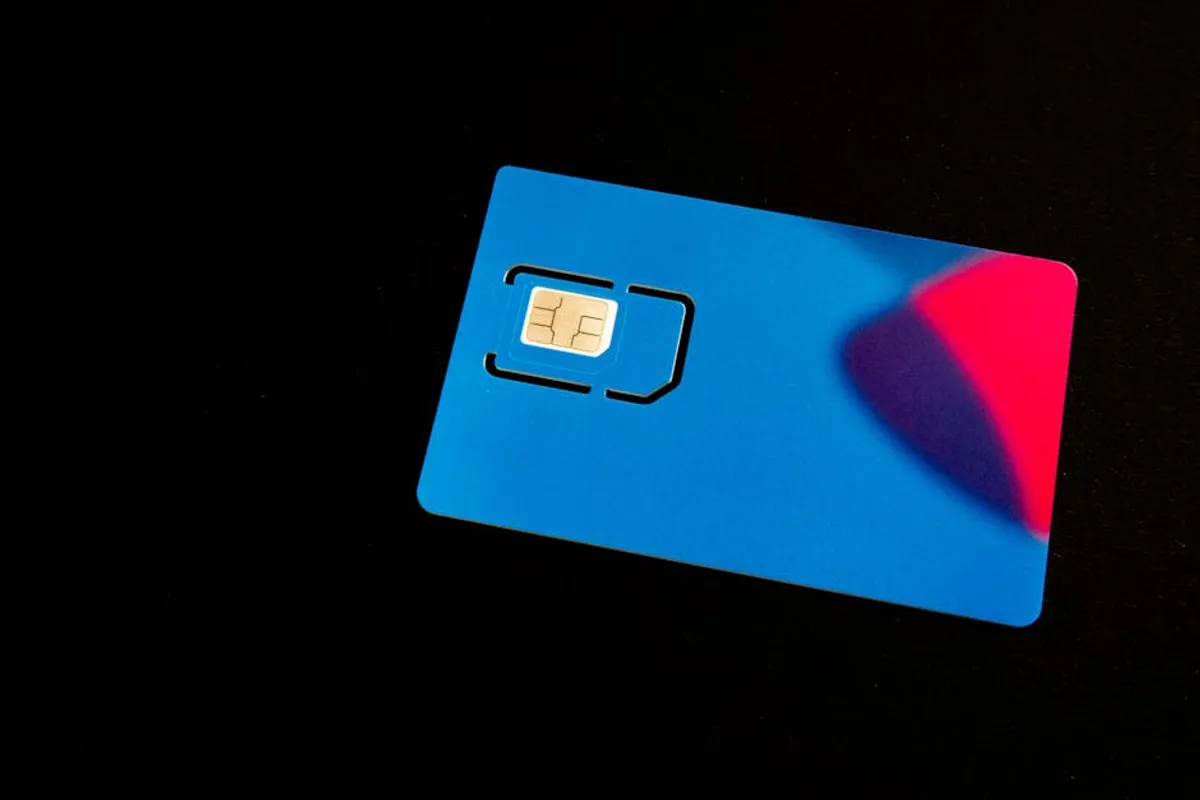
The physical SIM card, a small plastic chip inserted into a mobile device, has been the industry standard for decades. It stores subscriber identity information, enabling network authentication and service access. Its tangible nature offers straightforward handling and a clear understanding of its function.
- Portability: Physical SIMs can be easily removed and inserted into different compatible devices. This allows users to switch phones without transferring their number or plan, assuming the new device is unlocked and supports the SIM size.
- Widespread Compatibility: Almost all mobile phones, including older models, are designed to accept physical SIM cards. This ensures broad compatibility, reducing concerns about device limitations when acquiring new service or changing carriers.
- Troubleshooting Simplicity: Basic troubleshooting often involves removing and reinserting the SIM card. This physical interaction can resolve minor connectivity issues without requiring advanced technical steps.
Best for: Users who frequently swap devices, prefer tangible hardware, or own older phone models that do not support eSIM technology.
eSIM: The Embedded Future
An eSIM is a digital SIM embedded directly into a device's hardware, eliminating the need for a physical card. Instead of swapping plastic, users download and activate their cellular plan over the air. This shift represents a move towards greater digital integration and flexibility in mobile connectivity.
- Enhanced Flexibility: eSIMs allow users to store multiple network profiles on a single device and switch between them digitally. This is particularly advantageous for international travelers, who can activate local plans without needing to purchase or manage multiple physical SIMs.
- Streamlined Activation: Activating an eSIM typically involves scanning a QR code or entering a code provided by the carrier. This process can be completed remotely, often within minutes, removing the need to visit a store or wait for a physical card to be shipped.
- Dual SIM Functionality: Many eSIM-enabled devices support both a physical SIM and an eSIM simultaneously. This allows users to maintain two active numbers—e.g., one for personal use and one for business—or combine a local physical SIM with an international eSIM for travel.
- Space Efficiency: By removing the need for a physical SIM tray and slot, eSIMs free up internal device space. This can contribute to more compact device designs or allow manufacturers to incorporate other components or larger batteries.
Best for: Frequent international travelers, users who manage multiple phone numbers, or those prioritizing digital convenience and device flexibility.
Activation and Management Differences
The process of getting connected and managing your service varies significantly between the two technologies. Physical SIMs require manual insertion and often a visit to a store or waiting for delivery. eSIMs, conversely, leverage over-the-air provisioning.
For physical SIMs, activation typically involves inserting the card and sometimes making a call or sending a text to register it on the network. Changing carriers means obtaining a new physical SIM. eSIM activation, however, is a digital download. A QR code or activation code from the carrier initiates the download of the network profile directly to the device. This process is often quicker and can be done from anywhere with an internet connection, making it ideal for immediate service changes or activations while abroad.
Pro Tip: When considering an eSIM for business travel, verify that your device is unlocked and supports eSIM functionality. Some carrier-locked phones may restrict eSIM activation to their own network, limiting your flexibility with international data plans.
Device Compatibility and Future Trends
While physical SIMs are universally compatible with virtually all cellular devices, eSIM adoption is primarily concentrated in newer flagship smartphones, smartwatches, and some tablets. Manufacturers like Apple, Samsung, and Google have integrated eSIM technology into their recent models, signaling a clear industry shift. As technology progresses, the ubiquity of eSIMs is expected to grow, potentially rendering physical SIM slots obsolete in future device generations. This trend influences long-term device purchasing decisions for individuals and organizations.
Security and Durability Considerations
From a security standpoint, both technologies offer robust encryption for network communication. However, their physical characteristics introduce different vulnerabilities. A physical SIM card can be lost, stolen, or damaged, requiring replacement. If a device is stolen, removing the SIM card is a common tactic to prevent tracking or unauthorized use. eSIMs, being embedded, cannot be physically removed or easily swapped by a thief. While this enhances security against physical tampering, it also means that if a device is factory reset without proper precautions, the eSIM profile could be erased, requiring re-provisioning. The embedded nature also makes eSIMs more durable against wear and tear compared to a removable plastic card.
Cost Implications and Environmental Impact
The cost implications often relate to convenience rather than the SIM itself. Physical SIM cards might incur a small purchase fee or be provided free with a new plan. Switching carriers with a physical SIM typically means acquiring a new card. eSIMs often involve no direct physical cost, as the profile is downloaded. However, some carriers might charge a nominal fee for eSIM activation or profile changes. Environmentally, eSIMs offer an advantage by eliminating the need for plastic manufacturing and shipping, reducing electronic waste associated with discarded physical cards.
Optimizing Your Mobile Connectivity
The decision between a SIM card and an eSIM is not universally prescriptive; it hinges on individual user habits, device capabilities, and specific connectivity requirements. For those prioritizing universal device compatibility, particularly with older models, or who prefer the straightforward physical management of their mobile identity, the traditional SIM card remains a reliable choice. It offers a tangible, easily swappable component that has served as the backbone of mobile communication for decades.
Conversely, the eSIM presents a compelling case for users seeking enhanced flexibility, especially for international travel or managing multiple lines on a single device. Its digital nature streamlines activation, reduces physical clutter, and aligns with the trend towards more integrated, software-driven solutions. As device manufacturers increasingly embrace eSIM-only designs, understanding and adopting this technology becomes less of an option and more of a future necessity. Evaluate your current device, your travel frequency, and your need for multi-network support to make an informed decision that optimizes your mobile experience.
Frequently Asked Questions
Can I switch back to a physical SIM after using an eSIM?
Yes, if your device supports a physical SIM slot, you can generally switch back. This would involve obtaining a physical SIM card from your carrier and activating it, then deactivating or removing the eSIM profile from your device.
Are eSIMs more secure than physical SIM cards?
eSIMs offer certain security advantages, such as being harder to physically tamper with or remove from a stolen device. However, both technologies employ robust encryption for network communication. The primary difference lies in their physical vulnerability.
What if my phone doesn't support eSIM?
If your phone does not have eSIM capability, you will need to continue using a physical SIM card. eSIM functionality is typically found in newer smartphone models, smartwatches, and some tablets. Check your device specifications to confirm compatibility.
Can I use multiple eSIMs on one device?
Many eSIM-enabled devices allow you to store multiple eSIM profiles, though typically only one can be active at a time (in addition to a physical SIM, if present). This is highly beneficial for travelers who use different local networks.



