
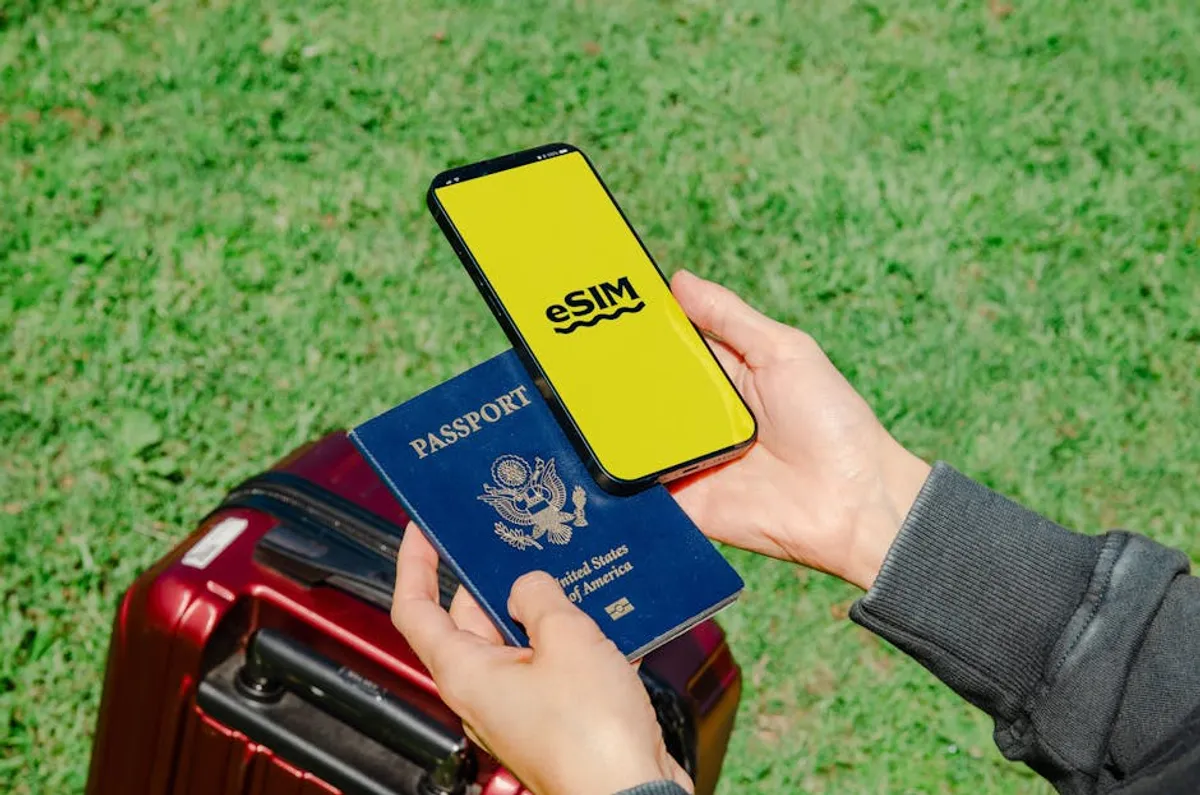
The traditional physical SIM card, a small plastic chip inserted into mobile devices, has been the standard for cellular connectivity for decades. However, a significant shift is underway with the rise of the embedded Subscriber Identity Module, or eSIM. This technology fundamentally changes how mobile users connect to networks, offering a digital alternative that streamlines device setup and management, particularly for those requiring flexible connectivity options across different regions or with multiple service plans.
For mobile users, understanding eSIM technology is no longer a niche concern but a practical necessity. It impacts device purchasing decisions, travel planning, and the overall management of personal and professional mobile lines. The move to eSIM represents a progression in mobile technology, aiming to enhance user experience by removing the physical constraints of traditional SIM cards.
What Exactly Is an eSIM?
An eSIM is a digital version of a physical SIM card, directly embedded into a mobile device during manufacturing. Unlike its predecessor, it is not a removable component. Instead, it's a small, reprogrammable chip that allows users to activate a cellular plan from a carrier without needing a physical card swap. The "E" in eSIM stands for "embedded," signifying its permanent integration within the device's hardware, typically a smartphone, tablet, smartwatch, or even some laptops.
This embedded chip stores the necessary profile information—such as your subscriber identity, authentication keys, and network access details—that connects your device to a mobile network. The key differentiator is its ability to be provisioned and reprogrammed remotely. Instead of purchasing a physical SIM card, users download a digital profile from their chosen carrier, which then configures the eSIM to connect to that network.
Key Characteristics of eSIMs
- Embedded Hardware: The eSIM chip is soldered directly onto the device's main board, making it a permanent fixture.
- Remote Provisioning: Cellular plans are downloaded and activated digitally, often via a QR code or an app, eliminating the need for physical card insertion.
- Multiple Profiles: An eSIM can store multiple network profiles, though only one can be active at a time. This allows users to switch between carriers or plans without changing physical cards.
- Global Compatibility: As a standardized technology, eSIMs are designed to work with any compatible network worldwide, simplifying international travel.
How Does an eSIM Work in Practice?
The operational mechanism of an eSIM revolves around its ability to receive and store network profiles digitally. When you decide to activate a cellular plan with an eSIM-compatible device, the process typically involves a few steps:
- Carrier Selection: You choose a mobile carrier that supports eSIM activation. Many major global and regional carriers now offer eSIM services.
- Profile Download: The carrier provides a digital profile, often through a QR code, an activation code, or directly via their mobile app. This profile contains all the necessary information to connect your device to their network.
- Activation: Your device scans the QR code or processes the activation code, which then downloads and installs the carrier's profile onto the embedded eSIM chip. This process usually takes a few minutes.
- Network Connection: Once the profile is installed, your device registers with the carrier's network, and you gain cellular service.
This digital provisioning means that switching carriers or adding a second line (e.g., for travel or a work number) becomes a software-based operation rather than a hardware swap. For devices with dual SIM capabilities (one physical SIM slot and one eSIM), users can maintain two active numbers simultaneously, leveraging the benefits of different plans or networks.
Pro Tip: Before purchasing a new device or planning international travel, always verify that your specific device model supports eSIM functionality and that your intended mobile carrier or travel provider offers eSIM activation in your desired region. Not all devices or carriers globally have fully adopted eSIM technology yet, and compatibility can vary significantly by country and device manufacturer.
Key Advantages of eSIM Technology
The shift to eSIM offers several tangible benefits for consumers and device manufacturers:
- Enhanced Convenience: Users can switch carriers or plans instantly without waiting for a physical SIM card to be shipped or visiting a store. This is particularly advantageous for frequent travelers who can easily activate local plans upon arrival.
- Improved Device Design: Eliminating the physical SIM tray allows manufacturers to create more compact devices, potentially freeing up internal space for larger batteries or other components. It also reduces the number of openings, contributing to better water and dust resistance.
- Simplified Travel: Travelers can avoid roaming charges by downloading a local eSIM plan for their destination, often at more competitive rates than international roaming packages.
- Dual SIM Functionality: Many eSIM-compatible phones support both a physical SIM and an eSIM, enabling users to manage two separate phone numbers on a single device—ideal for separating work and personal lines.
- Enhanced Security: An embedded eSIM cannot be physically removed or stolen from a device, making it more secure against unauthorized access or tampering compared to a removable physical SIM card.
- Environmental Impact: Reducing the production and distribution of plastic SIM cards contributes to a decrease in plastic waste.
Potential Considerations and Limitations
While eSIM technology presents numerous advantages, there are some current considerations to keep in mind:
- Device Compatibility: Not all mobile devices support eSIM. Adoption is growing, but older models and some budget phones may still rely solely on physical SIM cards.
- Carrier Support: While major carriers globally support eSIM, smaller or regional providers might not yet offer the service, limiting choices in certain areas.
- Transferring eSIMs: Transferring an eSIM profile to a new device can sometimes be more complex than simply moving a physical SIM. It often requires carrier intervention or a new activation process.
- Troubleshooting: Diagnosing network issues can be slightly different with eSIMs, as there's no physical card to inspect or reinsert.
Activating and Managing Your eSIM
Activating an eSIM typically involves scanning a QR code provided by your carrier or entering a manual activation code within your device's cellular settings. The exact steps can vary slightly by device manufacturer (e.g., iOS vs. Android) and carrier. Once activated, your device's settings menu will allow you to manage your eSIM profiles, including switching between them, deleting old ones, or adding new ones.
For users with multiple profiles, the device interface usually provides clear options to designate which profile is used for cellular data, voice calls, and messages. This granular control is a significant benefit for optimizing connectivity based on location or cost.
Future Outlook for eSIMs
The trajectory for eSIM adoption points towards increasing integration across a wider range of devices. Beyond smartphones and wearables, eSIMs are becoming more prevalent in IoT (Internet of Things) devices, enabling seamless connectivity for smart home appliances, connected cars, and industrial sensors without the need for physical SIM management. As more manufacturers embed eSIMs as standard and carriers expand their support, the technology is poised to become the dominant form of mobile connectivity, further simplifying global communication and device management.
Practical Adoption for Mobile Users
For individuals and businesses managing mobile connectivity, eSIMs offer a pathway to greater flexibility and efficiency. Whether it's for international business travel, maintaining separate professional and personal lines, or simply seeking more convenient plan management, understanding and leveraging eSIM technology is becoming increasingly valuable. The initial effort to check device compatibility and carrier support is a small investment for the long-term benefits of streamlined, digital connectivity.
Frequently Asked Questions
Can I use multiple eSIMs on one device?
Most eSIM-compatible devices can store multiple eSIM profiles, but only one can be actively connected to a network at any given time for cellular data. Devices with dual SIM functionality (physical SIM + eSIM or dual eSIM) can have two lines active simultaneously for calls and texts, with one designated for data.
Is an eSIM more secure than a physical SIM?
Yes, an eSIM generally offers enhanced security. Since it's embedded within the device, it cannot be physically removed or swapped if your device is lost or stolen, making it harder for unauthorized individuals to access your cellular plan or identity.
What happens to my eSIM if I factory reset my phone?
Performing a factory reset on your phone will typically erase all eSIM profiles stored on the device. You will need to reactivate your eSIM plan with your carrier after the reset, which usually involves re-downloading the profile using a new QR code or activation method.
Can I transfer my eSIM to a new phone?
Transferring an eSIM to a new phone is possible but often requires specific steps from your carrier. Unlike a physical SIM that you can simply move, eSIM profiles are tied to the device. You may need to contact your carrier to deactivate the eSIM on your old device and provision a new profile for your new phone.



